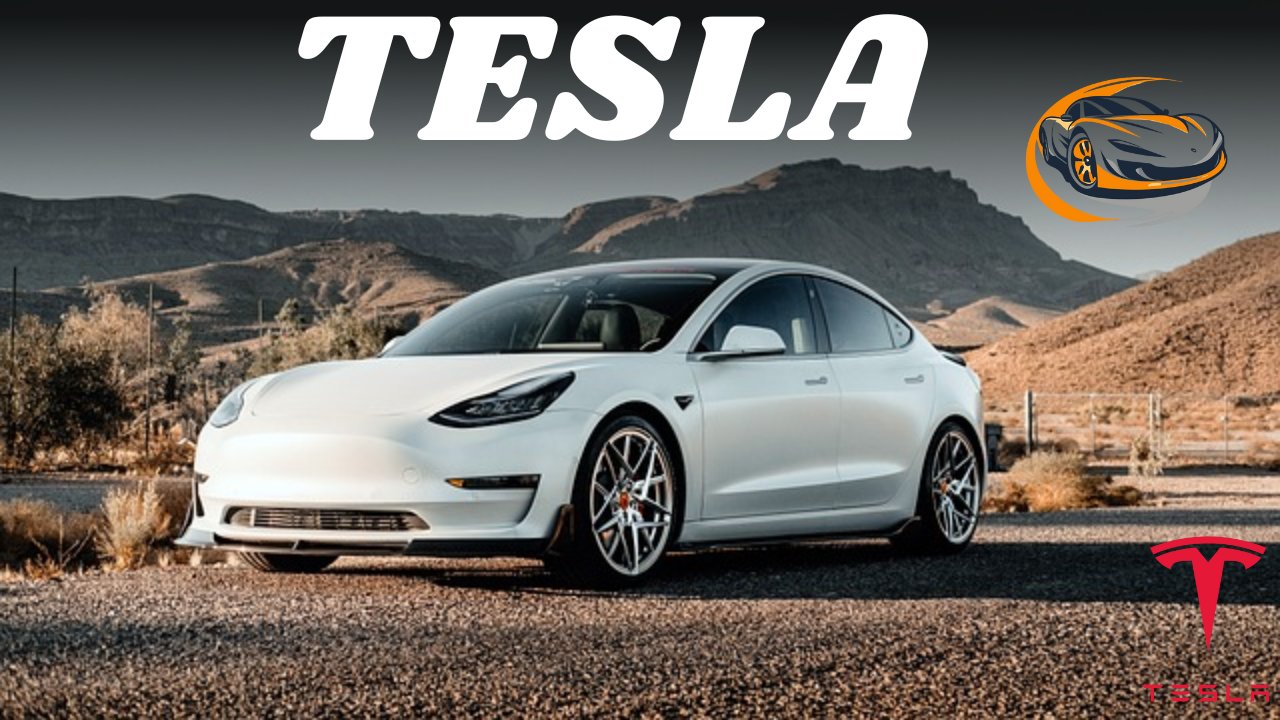
(Tesla’s Arrival in India) : Tesla’s entry into the Indian market has sent shockwaves through the domestic automobile industry. With its cutting-edge technology, aggressive pricing, and global brand recognition, Tesla has forced homegrown manufacturers to rethink their strategies. In response, Tata Motors, the leader in India’s electric vehicle (EV) segment, has drastically cut prices by up to 50% to stay competitive. This move is set to redefine the Indian EV landscape, making electric cars more affordable for the masses.
The Impact of Tesla’s Entry on India’s EV Market
Tesla’s foray into India marks a pivotal moment for the country’s EV sector. The company’s advanced battery technology, extensive charging infrastructure, and global reputation for high-performance electric cars put immense pressure on local manufacturers. As a result:

- Competition in the EV sector has intensified.
- Indian consumers now have access to premium global EV models.
- Automakers like Tata, Mahindra, and MG Motors must innovate or lower prices to retain market share.
- Charging infrastructure expansion is expected to accelerate to support Tesla’s network.
Tata Motors Slashes Prices: A Bold Move to Retain Market Share
Tata Motors, which currently dominates India’s EV segment with models like the Tata Nexon EV and Tata Tiago EV, has made an aggressive move by reducing prices by up to 50%. This decision aims to make electric mobility accessible to a broader audience and counter Tesla’s competitive pricing.

Tata EV Price Cuts: Key Highlights
- Significant price reductions across the Nexon EV, Tigor EV, and Tiago EV models.
- New financing options to attract first-time EV buyers.
- Extended warranty & maintenance packages to enhance customer confidence.
- Increased production capacity to meet rising demand.
Price Comparison: Tata vs. Tesla
The pricing war between Tata Motors and Tesla is reshaping the Indian EV market. Below is a comparison of Tata’s revised pricing versus Tesla’s expected pricing in India.

| Model | Previous Price (INR) | New Price (INR) | Tesla Model 3 (Expected Price) |
|---|---|---|---|
| Tata Nexon EV | 16,49,000 | 8,25,000 | 40,00,000 |
| Tata Tigor EV | 12,49,000 | 6,25,000 | 40,00,000 |
| Tata Tiago EV | 8,49,000 | 4,25,000 | 40,00,000 |
| Tata Punch EV | 11,99,000 | 5,99,000 | 40,00,000 |
This drastic reduction in Tata’s pricing will put pressure on Tesla to reconsider its premium pricing strategy in India.
Tesla’s Competitive Edge Over Indian Automakers
Despite Tata’s aggressive pricing, Tesla brings several unique advantages that appeal to Indian consumers:
- Advanced Battery Technology – Tesla’s batteries offer longer ranges and faster charging times.
- Autonomous Driving Features – Tesla’s self-driving technology is far ahead of Indian automakers.
- Supercharger Network – Tesla’s charging infrastructure, once developed in India, will provide seamless long-distance travel.
- Brand Prestige & Global Appeal – Tesla enjoys a premium image that attracts aspirational buyers.
Tata vs. Tesla: Feature Comparison
| Feature | Tata Nexon EV | Tesla Model 3 |
|---|---|---|
| Battery Range (km) | 312 | 500+ |
| Charging Time (Fast) | 60 mins | 30-40 mins |
| Autopilot (Self-Driving) | No | Yes |
| Supercharger Network | No | Yes |
| Price (INR) | 8.25L | 40L |
While Tata is playing the affordability card, Tesla’s technology remains unmatched.
See More : Hero HF Deluxe 2025

How Will Indian Consumers Benefit?
The pricing battle between Tata and Tesla will be a game-changer for Indian consumers. Here’s how:
- Affordable EV options – With Tata slashing prices, more buyers can afford electric cars.
- Better Technology at Competitive Prices – Tesla’s presence will push all automakers to upgrade their offerings.
- Expansion of Charging Infrastructure – More charging stations will emerge, making EVs more practical.
- Government Subsidies & Incentives – The Indian government might introduce new incentives to support local EV manufacturers against Tesla.
Challenges Ahead for Tata and Other Local Automakers
Despite Tata’s bold move, the Indian EV sector faces several challenges:
- Battery Supply Chain Issues – Lithium-ion battery costs are volatile, affecting pricing strategies.
- Charging Infrastructure – Tesla’s arrival will demand rapid growth in charging stations across the country.
- Brand Perception – Many consumers might still prefer Tesla’s global reputation over local brands.
- Government Policies – New policies could favor Tesla’s entry, making competition tougher for Indian brands.
Major Challenges for Indian EV Manufacturers
| Challenge | Impact on Tata & Others |
|---|---|
| Tesla’s Technological Edge | Forces local automakers to invest in R&D |
| Lack of Charging Infra | Slows down EV adoption rates |
| Battery Cost Fluctuations | Impacts pricing strategies |
| Consumer Perception | Tesla seen as a more premium brand |
The Future of India’s EV Market: What’s Next?
With Tesla entering the Indian market and Tata Motors aggressively slashing prices, the Indian EV sector is set for rapid transformation. Here’s what to expect in the coming years:
- More price cuts & new budget-friendly EV models – Companies like Mahindra and MG may follow Tata’s lead.
- Government support for local EV makers – More subsidies and incentives could be introduced.
- Expansion of Tesla’s footprint – More showrooms, service centers, and charging stations will be established.
- Rise in EV adoption – With reduced costs and better infrastructure, more Indian consumers will switch to EVs.
Tesla’s arrival in India is not just a challenge but an opportunity for the domestic EV industry to innovate and grow. Tata Motors has made a bold statement by slashing prices by up to 50%, making electric vehicles more affordable than ever. However, Tesla’s superior technology, brand image, and expanding infrastructure will continue to disrupt the market.

As competition heats up, Indian consumers will be the biggest winners, benefiting from better technology, lower prices, and an expanding EV ecosystem. The future of India’s electric vehicle market has never looked more exciting!